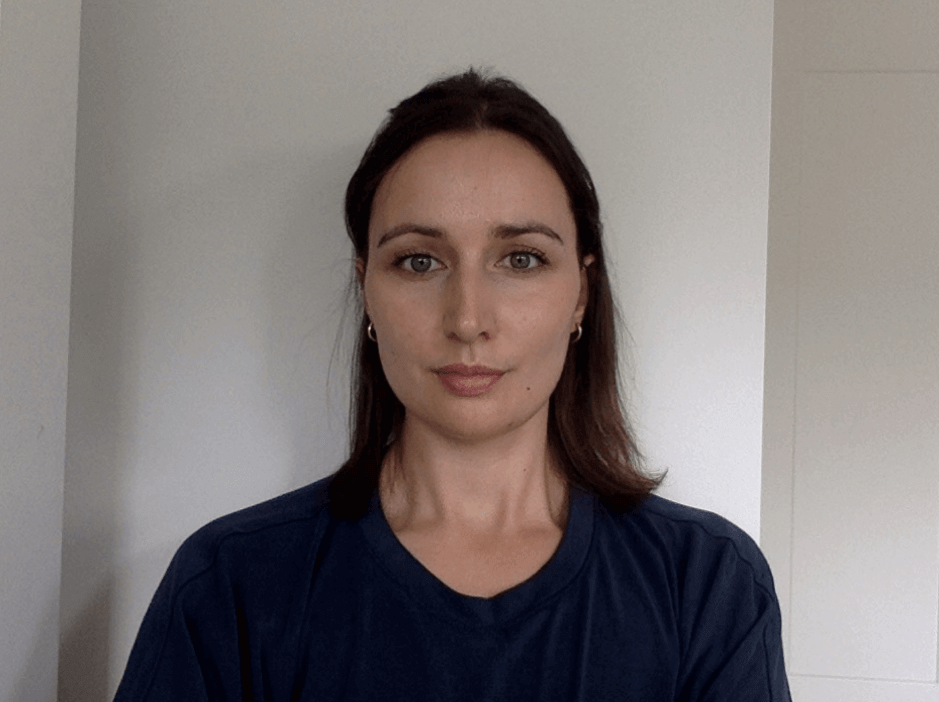
Dr Emily Mortimer
Clinical Psychologist
Hi! I’m Emily and I’m a Clinical Psychologist.
Works with:
- After Birth
- During Pregnancy
- Fertility and Loss
- For Partners
Experience in perinatal health:
Alongside wider NHS experience supporting adults, children, couples and families, I have experience working with parents and families in a neonatal setting. This included supporting birthing parents, partners and families who may have gone through experiences of uncertainty, trauma and loss as well as adjusting to parenthood after potentially difficult or unexpected experiences.
It also included supporting birthing people and their partners to make sense of their experiences around fertility, birth and early parenthood. This might for example, look like exploring the impact of these experiences on relationships and identity, managing difficult or unexpected experiences and coping with uncertainty and change. Ultimately, finding a place people can begin to talk through the vast range of often ever-changing feelings which can come up during a very vulnerable and significant time in people’s lives.
What drew you to this work?
Decisions around fertility and parenthood are extremely personal and are often influenced by how we view the world, as well as our values and life experiences. In addition, the constant advances in medical care have opened up new opportunities which can come with both hope for what might be possible, as well as fear and uncertainty. What family means, and the hopes people hold for their own family, can be incredibly rich and individual. Therapy can be place to explore this in depth, to help make sense of the different hopes, fears and decisions that might come up and to support people as they navigate such important decisions in their lives.
How do you work?
I hope to bring compassion, warmth, creativity and meaning to our conversations and to get to know you at a pace which feels comfortable to you. Initially, we might spend some time getting to know each other, thinking about how to create a place where you feel comfortable and open to talk together, and how our conversations can be helpful to you. I think it is important to understand you as a person, including your interests, values, background and important relationships, in addition to the different reasons people choose to come to therapy.
I draw on different approaches to suit individual needs and preferred ways of working together. This includes using narrative, systemic and cognitive approaches. In addition, I think it is important to understand the impact social, political and historical contexts can, understandably, have on people’s experiences and would like to support conversations in which this can be explored if you would like.
A little more about me
Perinatal health, loss and fertility are extremely personal and vulnerable topics. Often the way we understand and manage these situations is shaped by our own experiences, identity and world-views. I am open to having conversations about how different aspects of our identities might be similar or different in this respect and how this might influence the types of conversation we have, if this would feel useful for you.